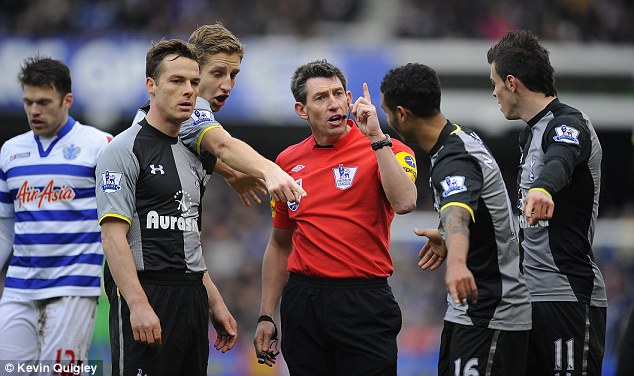
A recurring problem
“The referee has made another incorrect decision”. Referees are only human like everyone and it is impossible for them to get every decision correct. Endless decisions “was it in or out?, did the ball cross the line?, is it a penalty or not?” are argued by managers and players on a daily basis. The introduction of technology has helped referees become more assured in their decisions in a wide range of sports.
With all professional sports having huge financial stake referees jobs can be defined by on key decisions. It could make or break their career. According to the Professional Games Match Officials, premier league referees make around 245 decisions per game. On average the get 5 decisions incorrect, with them being 98% correct. However one of these decisions could cost a team a victory, a promotion or even a title. This stat highlights the need for accurate technology in sport.
What are the systems helping the referees?
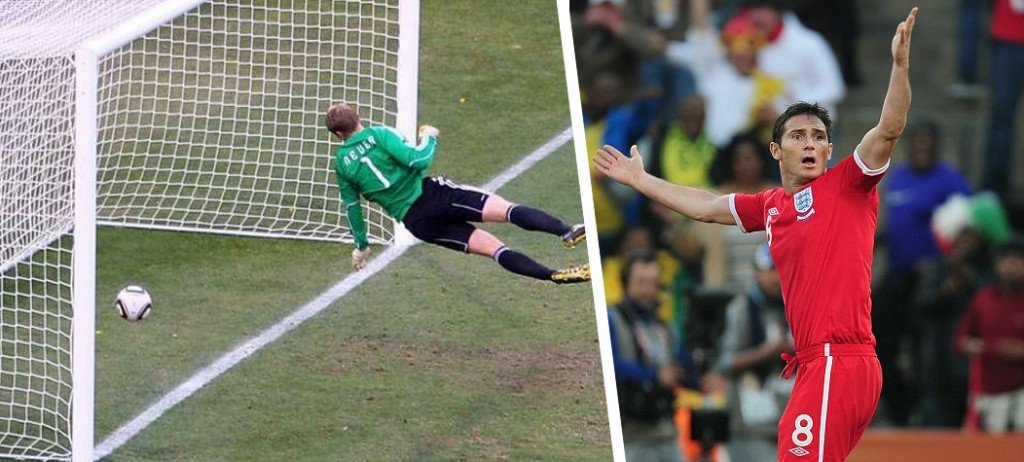
Goal line technology and hawk-eye are systems used by referees in soccer and tennis. They have similar systems as they make the referees decision definite. Novak Djokovic has recently said “we need hawk-eye and VAR” following a horrific call by an umpire in Wimbledon 2018. It was first introduced into tennis in 2002 and it allows players challenge a certain amount of umpires decisions. This system gives the umpire a definite decision whether a ball was in or out. Goal line technology was first introduced by FIFA in 2012 after number of controversial decisions in the 2010 World Cup. Following the no goal for Frank Lampard that was given even though it had clearly crossed the line he said “It has changed the game for the better. The introduction of Goal-line technology is a positive for the sport”. This system alerts the referee on their watch if the ball has crossed the line. This also gives the referee a definite decision and does not leave the decision to their personal judgement.
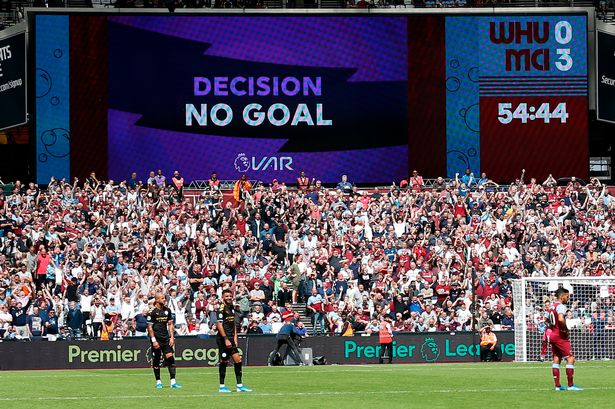
Video Assistant Referee(VAR) is another technology that has been introduced in 2018. An assistant referee is used for serious incidences e.g. goals, penalty incidents and red cards if the referee has made a wrong decision. The Bundesliga use a system where the referee goes to watch the replay, however The Premier League uses a system where an additional referee has the final decision. Television Match Official(TMO) is another similar system used in rugby. It was first introduced in 2001 and was expanded in 2013 to help with foul play and try decisions. This is similar to VAR as the system does not give a define answer, it helps the referees decision but the final call is up to the referees judgement. The time it takes to make a decision can also be an issue. Eddie Howe Bournemouth F.C manger has said “the speed of the game is one of its great strengths,anything that slows it down might not be a good thing”.
Effectiveness of the Systems
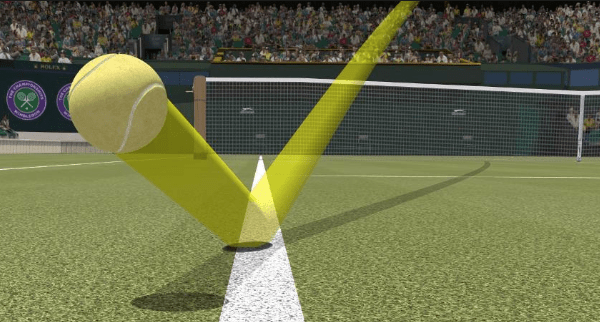
These systems look good but are the effective? An average of 35% of challenges in tennis are successful following the use of hawk-eye. It illustrates the importance of it that a large amount of decisions could be wrong and not corrected if this technology was not in place. In relation to goal-line technology it was found that in the Bundesliga that there is 20 critical goal line decisions each year. With the implementation of this system all of these decisions can be judged correctly. These two systems are effective and have high reliability as they give definite answers for the referees. However in relation to TMO there is little research on the effectiveness, only that it has increased yellow cards to the away teams. VAR has found to have mixed results. In the Seria A it has found to reduce fouls,yellow cards and offsides. In the 2018 World Cup it was used 440 times and increased the accuracy of decisions from 95% to 99.2%. Although since being introduced to the Premier League it has highlighted some controversial decisions. The Chief Director of Referees Mick Reily has said ” The VAR system has incorrectly overruled 4 decisions”. VAR and TMO can be less effective as the referees can make a wrong judgement still even with the help of technology.
The Final Call

Both Goal line technology and hawk-eye are effective as they don’t leave the decision up to the umpire and the reliability of the systems are high. However with VAR and TMO the decisions made are completely up to the referees and the technology is just used to help in the decision which crates uncertainty around these systems. More definite decision making technology should be introduced to reduce the abuse received by referees.
For additional reading about this topic please refer to these following articles
Sky Sports. (2019). Referee myth-busting: How many decisions do officials get right?. [online] Available at: https://www.skysports.com/football/news/11096/10808860/referee-myth-busting-how-many-decisions-do-officials-get-right [Accessed 5 Dec. 2019].
Goal.com. (2012). Lampard: My disallowed England goal changed football | Goal.com. [online] Available at: https://www.goal.com/en-gb/news/3270/england-national-team/2014/06/24/4908586/lampard-my-disallowed-england-goal-changed-football [Accessed 5 Dec. 2019].
Newsweek UK. (2018). Premier League managers divided on VAR views. [online] Available at: https://www.newsweek.co.uk/premier-league-managers-divide-opinion-var-535279 [Accessed 5 Dec. 2019].
BBC Sport. (2019). VAR incorrectly overruled decisions four times – Premier League referees’ chief Mike Riley. [online] Available at: https://www.bbc.com/sport/football/50517096 [Accessed 5 Dec. 2019].
 The Importance of Technology for Referees Decision Making in Sport